

The Allure of Gambling: What Draws People In
The casino environment is meticulously designed to captivate and engage gamblers, creating an atmosphere of excitement and anticipation. The combination of bright lights, enticing sounds, and the general aura of risk and reward serves to draw individuals into a world where their fantasies can come to life. This immersive experience is rooted in psychological triggers that encourage people to gamble, often leading them to lose track of time and their financial limits. Many people seek fun and excitement at online platforms, such as an international online casino, adding to the diversity of their gambling experiences.
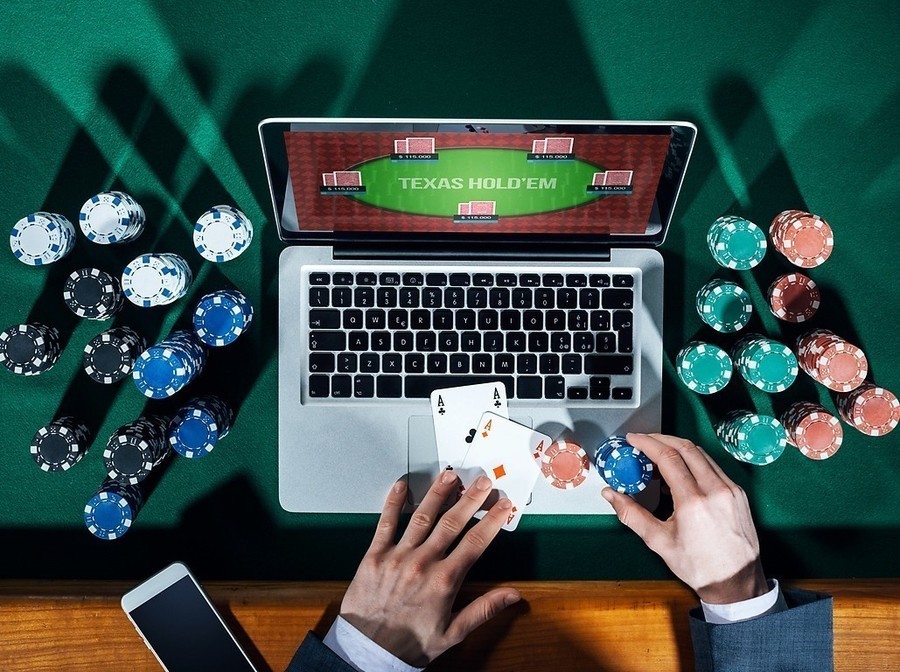
Furthermore, the concept of intermittent reinforcement plays a significant role in gambling behavior. Gamblers often experience a mix of wins and losses, which creates a psychological addiction as they continue to chase that elusive big payoff. This unpredictability enhances the thrill and reinforces the desire to keep playing, even when it might not be in their best interest.
The Role of Emotion in Gambling Decisions
Emotions heavily influence the decisions gamblers make within a casino. Positive emotions, such as excitement and joy, can lead to an increased willingness to take risks, while negative emotions, like stress or sadness, might push individuals to seek solace in gambling. In both scenarios, the emotional state of the gambler can significantly affect how much they wager and how long they choose to stay engaged with the games.
Moreover, the social dynamics present in casinos can amplify these emotional responses. The presence of other gamblers, the cheers of winners, and communal experiences can evoke feelings of camaraderie or competition, further influencing behavior. For many, the social aspect of gambling can be just as compelling as the games themselves, often leading to a cycle of emotional highs and lows that keeps them coming back.
Behavioral Patterns and Their Implications
Understanding the behavioral patterns of gamblers is crucial for both operators and individuals looking to avoid harmful habits. Many gamblers exhibit behaviors such as chasing losses, where they bet larger amounts in an attempt to recover lost money, despite the low probability of success. This pattern can lead to further financial distress and a downward spiral of gambling.
Additionally, the phenomenon of “gambler’s fallacy,” where individuals believe that past outcomes will affect future results, often leads to poor decision-making. A player might think that after a series of losses, they are “due” for a win, which reinforces their gambling behavior. Educating gamblers about these patterns can help them make more informed decisions and potentially reduce harmful gambling habits.
The Influence of Environment on Gambling Behavior
The design and layout of casinos are intentional; they are crafted to promote prolonged engagement and spending. Elements such as the absence of clocks, the use of comfortable seating, and the strategic placement of games are aimed at keeping gamblers inside and playing longer. This environment can lead to impulsive decisions, where gamblers may bet more than they intended due to the overwhelming stimuli around them.
In addition, the sensory experiences provided by casinos—such as the sounds of slot machines paying out or the aroma of complimentary drinks—further contribute to the compulsive nature of gambling. These carefully constructed environments exploit psychological triggers, making it essential for gamblers to be aware of their surroundings and the potential influences on their behavior.

Explore Our Site for Responsible Gambling Insights
Our platform recognizes the importance of understanding gambling psychology and promotes responsible gambling practices. We aim to provide valuable insights and resources that empower individuals to engage with gambling in a healthy and informed manner. Whether you are a seasoned gambler or someone new to the scene, our commitment to fostering a secure and responsible environment is paramount.
Join us in exploring the complexities of gambling psychology, and equip yourself with the knowledge needed to enjoy your experience while minimizing risks. Together, we can create a safer gambling community that prioritizes well-being and informed choices.